
The pre-harvest flush is the final step of the grow — the stretch where you stop feeding and water with plain, clean water to clear excess salts out of the medium before harvest. It’s one of the most talked-about (and debated) practices in cultivation. Here’s what a flush actually does, whether it’s worth it, and how to do it right.
What Is a Pre-Harvest Flush?
A flush means cutting nutrients in the final stretch before harvest and running clean water through the root zone. The goal is to leach accumulated salts out of the growing medium (and, growers believe, out of the plant) so the crop finishes clean. It’s closely related to knowing when to stop feeding — the flush is what you do once you’ve stopped.
Does Flushing Actually Work?
This is where growers argue. The claims about smoother taste and a cleaner burn are debated, and the evidence on final-product quality is mixed. But one part is solid horticulture: if you’ve been feeding heavily and salts have built up in the medium, leaching those excess salts out is a proven practice. University extensions recommend regular leaching precisely to keep soluble salts from accumulating and stressing plants. So whether or not you buy the flavor claims, clearing a salt-loaded root zone before finish is sound.
When to Start the Flush
Timing depends on your medium — the less buffering, the shorter the flush:
| Medium | Start flushing before harvest |
|---|---|
| Soil | ~1–2 weeks |
| Coco / rockwool | ~1 week |
| Hydroponic | 5–7 days |
A standard two-week flush is the most widely recognized starting point, but the medium — and your runoff numbers — should guide the exact timing.
How to Flush the Right Way
- Use clean water. Reverse osmosis water (near-zero TDS) is ideal — it has room to dissolve and carry away the salts you’re trying to remove.
- Use enough volume. A common guide is to run roughly two times the container’s volume of water through, letting about 20% leach out the bottom each time, and repeat until the runoff clears up.
- Watch runoff EC. This is your real gauge — measure the EC of the runoff and keep flushing until it drops down toward your plain water’s baseline. When input and output EC are close, the salts are gone.
- Keep pH in range. Check your flush water pH so the plant stays healthy through finish.
- Don’t overwater. Flush thoroughly, but don’t drown the roots in the final stretch.
One Exception: Organic Soil
If you’re growing in amended, living organic soil, heavy flushing is generally not recommended. You’ve built a microbial ecosystem in that medium, and washing it out with a hard flush can do more harm than good. In that case, simply tapering feeding is usually the better call.
Read the Runoff, Not the Calendar
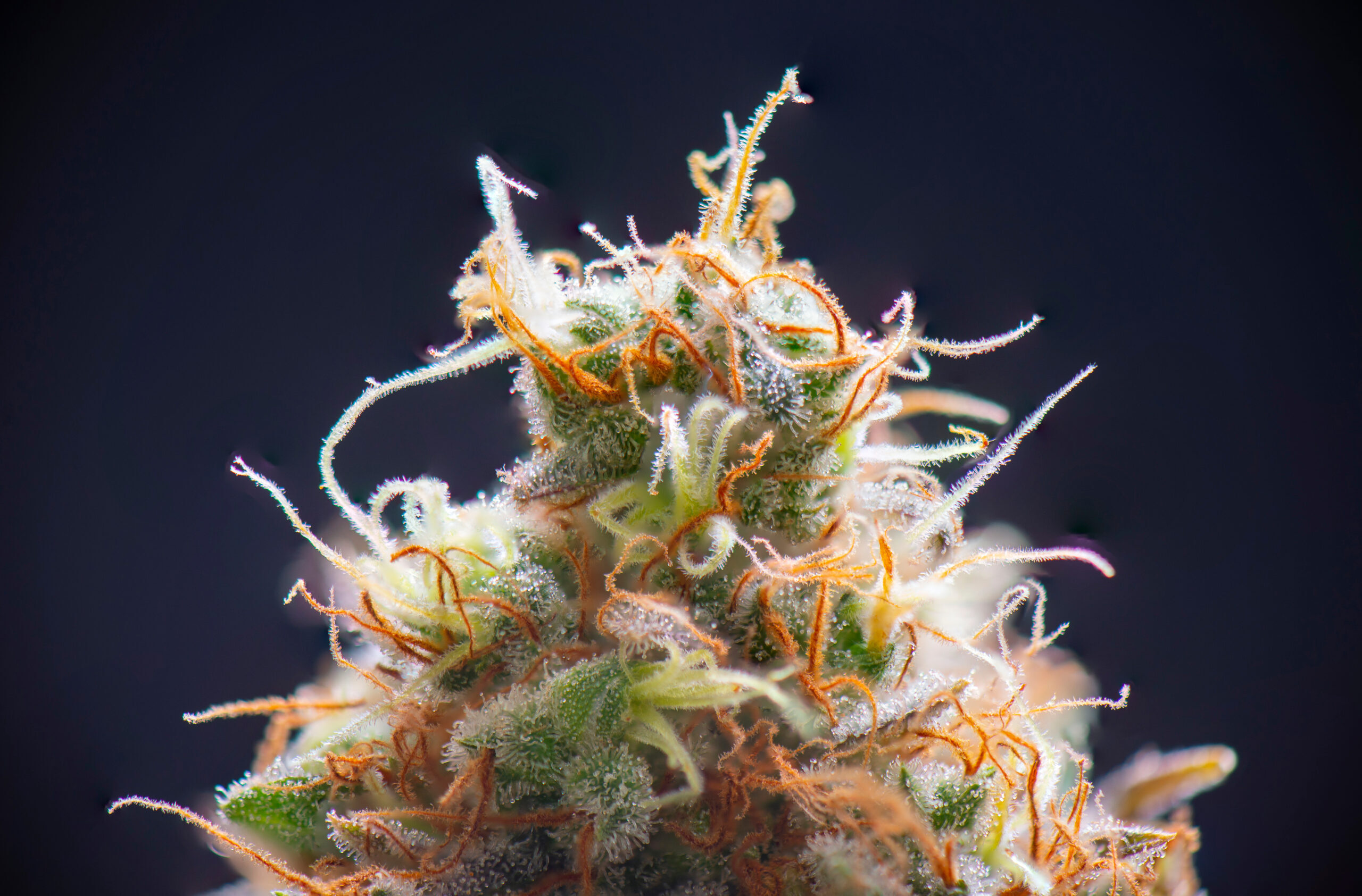
The biggest mistake is treating the flush as a fixed number of days. The medium and your runoff EC tell you what’s actually happening in the root zone — which is why growers who track EC and feed precisely tend to flush less and finish cleaner. It all comes back to knowing your numbers, from your feed chart through to finish. Precise fertigation that never over-salts the medium in the first place makes the flush easier every time.
Pre-Harvest Flush FAQ
How long should I flush before harvest?
Roughly 1–2 weeks in soil, ~1 week in coco or rockwool, and 5–7 days in hydro — then let your runoff EC confirm you’re done rather than a fixed date.
What water should I use to flush?
Clean, low-TDS water — RO is ideal because it has the most capacity to carry dissolved salts out of the medium.
Should I flush organic living soil?
Generally no. Heavy flushing can damage the living ecosystem in amended organic soil. Taper your feeding instead.
Does flushing work for all crops?
Leaching excess salts before finish is standard across container and greenhouse crops, not just cannabis — the principle of clearing a salt-loaded root zone is universal.
Finish Clean
A good flush is really the last chapter of a well-managed feed program — and the better your feeding, the easier your flush. We build water treatment and fertigation systems that keep EC precise from day one, so finishing clean is the default, not a scramble. Reach out to dial in your grow from feed to finish.

Pre-Harvest Flush: How (and Whether) to Flush Your Crop
The pre-harvest flush is the final step of the grow — the stretch where you stop feeding and water with plain, clean water to clear
Biofilm & Clogged Emitters: Keep Your Drip Lines Clean
A clogged emitter is a plant that isn’t getting fed. It happens quietly — one dripper slows, then a few, and suddenly you’ve got dry
Hard Water & Alkalinity: What Growers Need to Know
Hard water and alkalinity are two of the most misunderstood — and most damaging — problems in a grower’s source water. They quietly push your
Root Rot & Pythium: How to Prevent and Treat It
Root rot is the silent killer of the grow room. By the time you see it up top — wilting, yellowing, stunting — the damage
Pre-Harvest Flush: How (and Whether) to Flush Your Crop
The pre-harvest flush is the final step of the grow — the stretch where you stop feeding and water with plain, clean water to clear
Biofilm & Clogged Emitters: Keep Your Drip Lines Clean
A clogged emitter is a plant that isn’t getting fed. It happens quietly — one dripper slows, then a few, and suddenly you’ve got dry
Hard Water & Alkalinity: What Growers Need to Know
Hard water and alkalinity are two of the most misunderstood — and most damaging — problems in a grower’s source water. They quietly push your
Root Rot & Pythium: How to Prevent and Treat It
Root rot is the silent killer of the grow room. By the time you see it up top — wilting, yellowing, stunting — the damage