Top 5 Irrigation Mistakes Cannabis Growers Make (And How to Avoid Them)

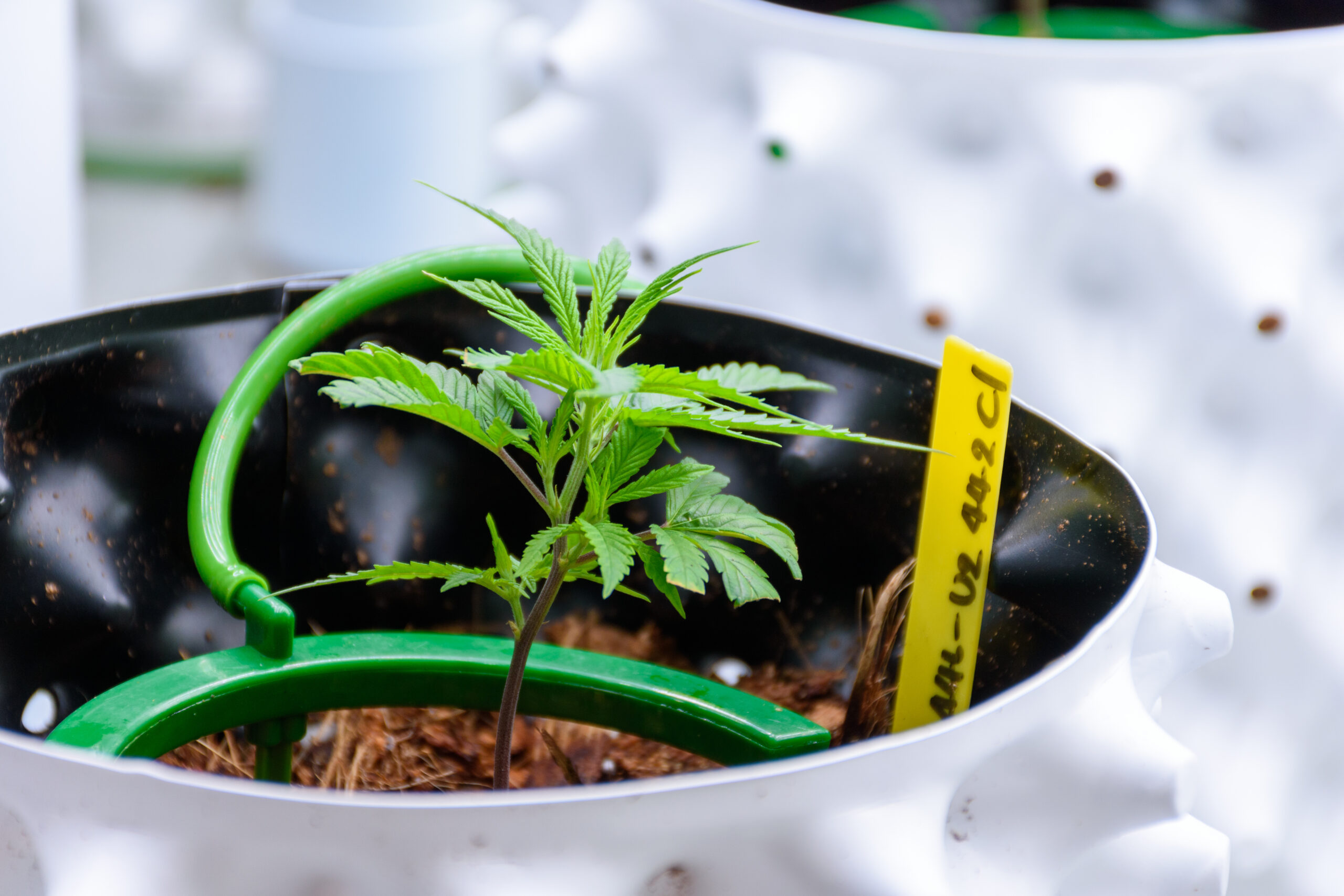
A fresh cannabis plant with water droplets

Why Irrigation Design Can Make or Break a Cannabis Grow

Cannabis cultivation isn’t just about genetics and lighting — irrigation design directly determines plant health, yield, and operational efficiency. Poor irrigation setups waste water, nutrients, and money, while also leaving room for pathogens, uneven feeding, and costly downtime.

At Eden Water Tech, we’ve seen hundreds of cultivation facilities across the U.S., and the same mistakes keep showing up. Here are the top 5 cannabis irrigation mistakes — and how smart fertigation and water treatment systems can fix them.


1. Oversized Pipes Cause Inconsistent Feeding

The Problem

Many cultivators assume bigger pipes = better flow. In reality, oversized piping leads to massive water volume inside lines, which directly impacts nutrient delivery.

📊 Example pipe volumes over 100 ft runs:

  • ½” pipe: 1.02 gallons
  • 1” pipe: 4.08 gallons
  • 1.5” pipe: 9.18 gallons

If your batch size is only 5 gallons, 1.5” piping means most of your nutrients never reach the plants evenly. Multiple flushes are required, leading to wasted nutrients, wasted labor, and higher operating costs.

The Fix

Design piping systems based on flow rate, emitter size, and plant count — not on visual aesthetics. At Eden, we build 1-header piping designs that keep water and nutrients moving continuously, avoiding stagnation and ensuring precision delivery.


2. Overly Complicated Piping Systems Increase Costs & Risks

The Problem

Elaborate piping setups with endless loops, home runs, and spider piping look impressive but are inefficient. These designs:

  • Inflate installation costs (more fittings, labor, valves).
  • Increase points of failure (more opportunities for leaks and clogs).
  • Cause headaches during maintenance.

Spider piping, in particular, only moves water when a single zone is fed — leaving long stretches of stagnant water that increase pathogen risk.

The Fix

Simplify with streamlined piping layouts. Our 1-header design tees off into rooms and zones, keeping nutrients flowing while drastically lowering install and maintenance costs.


3. Relying on Batch Tanks Wastes Space & Time

The Problem

Batch tanks may be traditional, but they’re also outdated. They:

  • Take up valuable cultivation space.
  • Require constant manual mixing.
  • Are time- and labor-intensive.
  • Harbor pathogens and buildup if left sitting.

In high-volume grows, batch tanks quickly become bottlenecks, slowing down production and risking contamination.

The Fix

Switch to direct-inject fertigation. The Paragon fertigation system eliminates batch mixing by delivering recipes on demand — precision feeding with less labor, less space, and cleaner operations.


4. Ignoring Buildup and Biofilm in Lines

The Problem

Cannabis irrigation systems are prone to biofilm — a slimy buildup of nutrients, organic matter, and pathogens inside pipes. Left unchecked, biofilm:

  • Clogs emitters and filters.
  • Harbors dangerous pathogens like Pythium and Fusarium.
  • Reduces oxygen levels at the root zone.

This problem is magnified by poor piping design, oversized lines, and stagnant water.

The Fix

Pair smart piping layouts with preventive water treatment. Eden integrates nanobubble technology to oxygenate water, eliminate biofilm, and suppress pathogens — keeping lines clean and roots healthy.


5. Skipping Maintenance & Support

The Problem

Even the best irrigation system will fail if neglected. Common mistakes include:

  • Not scheduling regular calibration of flow meters and sensors.
  • Delaying line flushing or foam ball cleaning.
  • Running outdated software or firmware.
  • Ignoring early warning signs like uneven plant growth.

These oversights lead to emergency downtime, crop loss, and expensive service calls.

The Fix

Build in a maintenance plan. Eden provides cultivators with Quick Start Guides, SOPs, training, and remote support (via Google Meet, FaceTime, or on-site visits). Once your system is dialed in, you rarely need to touch it again — but when you do, we’re here.


The Takeaway

The most common cannabis irrigation mistakes — oversized pipes, overcomplicated systems, batch tanks, biofilm buildup, and skipped maintenance — are all preventable. With the right design and automation, growers can save thousands in labor, nutrients, and wasted water.

At Eden Water Tech, we design irrigation and fertigation systems built for efficiency, precision, and long-term success. Our flagship Paragon fertigation system takes up just 8 sq ft, runs 30 zones, handles 18 nutrient inputs, and future-proofs your cultivation with automation.



 

SHARE THE ARTICLE

Facebook
Twitter
Pinterest
LinkedIn

Most Recent

Social Media

Categories

Get The Latest Updates

Subscribe to Our Weekly Newsletter

No spam, notifications only about new products, updates.
On Key

Related Posts

Top 5 Irrigation Mistakes Cannabis Growers Make (And How to Avoid Them)

A fresh cannabis plant with water droplets

Why Irrigation Design Can Make or Break a Cannabis Grow

Cannabis cultivation isn’t just about genetics and lighting — irrigation design directly determines plant health, yield, and operational efficiency. Poor irrigation setups waste water, nutrients, and money, while also leaving room for pathogens, uneven feeding, and costly downtime.

At Eden Water Tech, we’ve seen hundreds of cultivation facilities across the U.S., and the same mistakes keep showing up. Here are the top 5 cannabis irrigation mistakes — and how smart fertigation and water treatment systems can fix them.


1. Oversized Pipes Cause Inconsistent Feeding

The Problem

Many cultivators assume bigger pipes = better flow. In reality, oversized piping leads to massive water volume inside lines, which directly impacts nutrient delivery.

📊 Example pipe volumes over 100 ft runs:

  • ½” pipe: 1.02 gallons
  • 1” pipe: 4.08 gallons
  • 1.5” pipe: 9.18 gallons

If your batch size is only 5 gallons, 1.5” piping means most of your nutrients never reach the plants evenly. Multiple flushes are required, leading to wasted nutrients, wasted labor, and higher operating costs.

The Fix

Design piping systems based on flow rate, emitter size, and plant count — not on visual aesthetics. At Eden, we build 1-header piping designs that keep water and nutrients moving continuously, avoiding stagnation and ensuring precision delivery.


2. Overly Complicated Piping Systems Increase Costs & Risks

The Problem

Elaborate piping setups with endless loops, home runs, and spider piping look impressive but are inefficient. These designs:

  • Inflate installation costs (more fittings, labor, valves).
  • Increase points of failure (more opportunities for leaks and clogs).
  • Cause headaches during maintenance.

Spider piping, in particular, only moves water when a single zone is fed — leaving long stretches of stagnant water that increase pathogen risk.

The Fix

Simplify with streamlined piping layouts. Our 1-header design tees off into rooms and zones, keeping nutrients flowing while drastically lowering install and maintenance costs.


3. Relying on Batch Tanks Wastes Space & Time

The Problem

Batch tanks may be traditional, but they’re also outdated. They:

  • Take up valuable cultivation space.
  • Require constant manual mixing.
  • Are time- and labor-intensive.
  • Harbor pathogens and buildup if left sitting.

In high-volume grows, batch tanks quickly become bottlenecks, slowing down production and risking contamination.

The Fix

Switch to direct-inject fertigation. The Paragon fertigation system eliminates batch mixing by delivering recipes on demand — precision feeding with less labor, less space, and cleaner operations.


4. Ignoring Buildup and Biofilm in Lines

The Problem

Cannabis irrigation systems are prone to biofilm — a slimy buildup of nutrients, organic matter, and pathogens inside pipes. Left unchecked, biofilm:

  • Clogs emitters and filters.
  • Harbors dangerous pathogens like Pythium and Fusarium.
  • Reduces oxygen levels at the root zone.

This problem is magnified by poor piping design, oversized lines, and stagnant water.

The Fix

Pair smart piping layouts with preventive water treatment. Eden integrates nanobubble technology to oxygenate water, eliminate biofilm, and suppress pathogens — keeping lines clean and roots healthy.


5. Skipping Maintenance & Support

The Problem

Even the best irrigation system will fail if neglected. Common mistakes include:

  • Not scheduling regular calibration of flow meters and sensors.
  • Delaying line flushing or foam ball cleaning.
  • Running outdated software or firmware.
  • Ignoring early warning signs like uneven plant growth.

These oversights lead to emergency downtime, crop loss, and expensive service calls.

The Fix

Build in a maintenance plan. Eden provides cultivators with Quick Start Guides, SOPs, training, and remote support (via Google Meet, FaceTime, or on-site visits). Once your system is dialed in, you rarely need to touch it again — but when you do, we’re here.


The Takeaway

The most common cannabis irrigation mistakes — oversized pipes, overcomplicated systems, batch tanks, biofilm buildup, and skipped maintenance — are all preventable. With the right design and automation, growers can save thousands in labor, nutrients, and wasted water.

At Eden Water Tech, we design irrigation and fertigation systems built for efficiency, precision, and long-term success. Our flagship Paragon fertigation system takes up just 8 sq ft, runs 30 zones, handles 18 nutrient inputs, and future-proofs your cultivation with automation.


SHARE THE ARTICLE

Facebook
Twitter
Pinterest
LinkedIn

Most Recent

Social Media

Categories

Get The Latest Updates

Subscribe to Our Weekly Newsletter

No spam, notifications only about new products, updates.
On Key

Related Posts